Baby boxes, what they are and how they work
Short answer
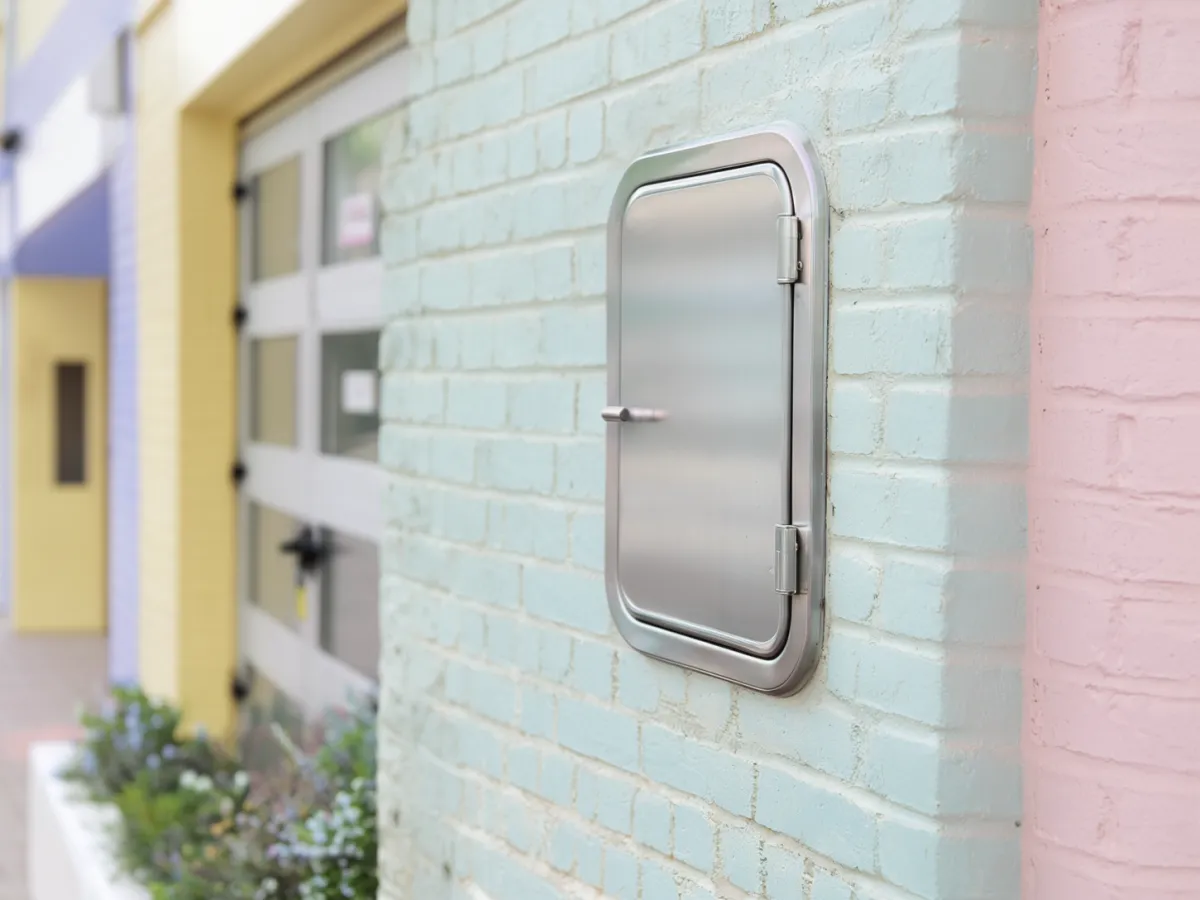
A baby box is a heated, padded compartment built into an outside wall of a hospital, fire station or similar building. A parent opens a small door from outside and places the baby inside. The door locks behind them, and an alarm alerts staff, who take the baby from the inside within minutes. Supporters see a last-resort way to save lives, and critics worry about the baby's right to know their origins and the mother's health.
This web address once belonged to a small group in South Africa that built its own baby box in 2008, which it called a baby safe. Its first blog post was about building that box. We are not that group, but the subject is worth explaining properly, because baby boxes are often misunderstood.
What a baby box is
A baby box, also called a baby hatch, baby saver or, in US law, a newborn safety device, is a way for a parent to leave a newborn anonymously in a place where the baby will be found and cared for straight away. It is meant for a parent who would otherwise abandon the baby somewhere unsafe and who cannot or will not hand the baby to a person.
How one is built
Designs vary, but most modern baby boxes work the same way.
A small door or drawer opens from the street side of the wall. Once the parent closes it, it locks, so nobody can open it from outside again. Only staff inside can.
Behind the door is a bassinet-sized space with a padded base. It is heated and ventilated to keep a newborn at a safe temperature, whatever the weather is doing outside.
A sensor detects the baby. Usually it is a pressure plate under the padding, a motion sensor, or both. It sends a silent alarm to staff inside the building, and many systems also alert emergency services or a monitoring company. Some boxes test themselves regularly and raise an alert if anything fails.
Staff then open the inner door and take the baby for a medical check. In US boxes the usual target is to reach the baby within about five minutes.
Many boxes also hold a letter or leaflet for the parent to take. It explains where to get medical care after giving birth, where to find counseling, and how to come forward later if they change their mind.
The group that once ran this website described an early version that used a pressure plate under the baby and a mobile phone module that sent a text message to a list of people. Later designs added voice calls and a backup system that confirmed someone had collected the baby. Simple, cheap electronics like this let small community groups build boxes in places with no big hospital nearby.
A long history
The idea is very old. From the Middle Ages, convents and foundling hospitals in Italy, France and other parts of Europe had a "foundling wheel," a revolving cradle set into the wall. A parent placed the baby in the cradle from outside, turned it, and rang a bell. Most of these wheels were closed in the 19th century.
The modern baby box began in Hamburg, Germany, where a charity opened a Babyklappe (baby hatch) in 2000. Many more followed in Germany, the Czech Republic, Poland and elsewhere in Europe. Japan's best-known one, the "Cradle of the Storks," opened at Jikei Hospital in Kumamoto in 2007. In South Africa, church and community groups have run them since around 2000, often in areas where newborns were being found abandoned.
Baby boxes in the United States
Every US state has a safe haven law that lets a parent hand a newborn to a person at a hospital, fire station or other named place without being charged with abandonment. Our guide to safe haven laws covers those.
Baby boxes go one step further, because the parent does not have to face anyone. Indiana passed the first US law allowing them in 2016, and the first box opened at a fire station there that year. Since then a growing number of states have passed laws allowing them, and several others are debating it. Where a state has no such law, a baby box is not a legal safe haven location.
In states that allow them, a baby left in a box is treated like any other safe haven surrender: the baby gets a medical exam, the child welfare agency takes custody, and the baby is placed with a family.
The arguments for
- A box may reach a parent who is too frightened, ashamed or traumatized to hand a baby to a person, and who would otherwise leave the baby somewhere dangerous.
- It is open all day and night, and nobody asks questions.
- A box with a fast alarm and response gets the baby into care within minutes.
- The existence of boxes, and the publicity around them, makes more people aware of safe haven laws in general.
The arguments against
- The UN Committee on the Rights of the Child has urged countries to phase out baby boxes, saying they breach a child's right to know their parents and origins.
- A mother who gives birth alone and in secret may need medical care herself. A face-to-face handover at a hospital gives staff a chance to help her.
- A baby left without any family or medical history can face gaps later, in health care and in identity.
- The other parent may never know the baby existed.
- Good evidence on whether boxes reduce the number of babies abandoned or killed is hard to collect, so both sides tend to rely on individual cases.
Our own view sits somewhere in between. The best outcome is a parent who gets help early in pregnancy, has time to plan, and, if adoption is right for them, makes that plan with support. A baby box is for the night when all of that has failed, and on that night it is far safer than leaving a baby alone somewhere.
If you are pregnant and frightened
If you are pregnant and do not know how you will cope, you have more choices than a box. Our page for anyone who is pregnant and needs help lists free, confidential help in the United States, including prenatal care, money help, adoption planning and someone to talk to at any hour.
Sources
- Child Welfare Information Gateway, Infant safe haven laws
- UN Committee on the Rights of the Child, concluding observations on several European countries (2011 to 2014) on anonymous child relinquishment
- Indiana Code 31-34-2.5, on newborn safety devices
This page is general information to help you ask good questions. It is not medical or legal advice. Your pediatrician, midwife or a lawyer in your state can tell you what applies to you. Last checked 16 November 2026.